
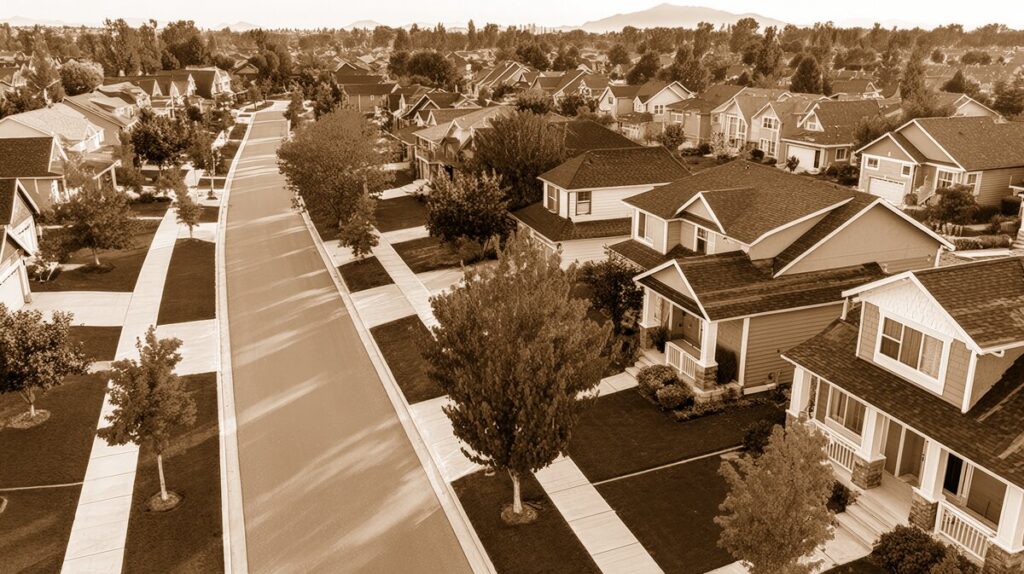
Nestled in the eastern embrace of Bowie, Maryland, Rolling Hills stands as a testament to the spirit of community, change, and charm that has defined the city for decades. For both longtime residents and newcomers, the story of Rolling Hills is one of growth and tradition—where tree-lined streets echo tales from years past, and familiar landmarks mark the passage of time.
The Origins: From Farmland to Flourishing Neighborhood
Before the vibrant homes and friendly sidewalks appeared, the area now known as Rolling Hills was a mosaic of rolling farmland, woodlands, and rural retreat. The name “Rolling Hills” was aptly chosen to honor the gently undulating terrain that defined the landscape—a picturesque feature still admired today. In the post-war era of the 1950s and 1960s, Bowie itself expanded rapidly, transforming from a patchwork of farms into a thriving commuter town. It was during the late 1960s and early 1970s that the Rolling Hills subdivision first took shape, setting the stage for its close-knit, diverse community.
How Rolling Hills Got Its Name
Early developers were inspired as much by the landscape as by the lifestyle they envisioned. “Rolling Hills” reflects both the literal contours of the land and the figurative sense of smooth transitions—from rural quietude to suburban vibrancy. The name resonated with homebuyers seeking peaceful views and a strong sense of place, bridging history and progress.
Key Historical Milestones
Every neighborhood has its milestones, but Rolling Hills’ evolution maps closely with Bowie’s own growth:
- 1970s: The original homes and community associations organized, laying out familiar streets such as Saint James Place, Rolling Hills Avenue, and Newton Drive.
- 1980s: The neighborhood saw further residential expansion, while the city of Bowie developed new parks and schools nearby. Families flocked to the area, drawn by good schools and a growing sense of community pride.
- 1990s-2000s: Rolling Hills celebrated anniversaries with neighborhood block parties and saw infrastructure updates, including better sidewalks and more robust local services.
- 2010s-present: Recent decades have brought new landscaping initiatives, revitalized park spaces, and efforts to preserve the neighborhood’s unique look—all while welcoming new residents who add to the area’s rich tapestry.
Notable Landmarks and Beloved Institutions
Though Rolling Hills is primarily residential, several landmarks—both big and small—tell the story of the neighborhood’s heritage.
- Rolling Hills Park: At the intersection of Rolling Hills Avenue and Newton Drive, this green oasis serves as a hub for families and friends. With shaded benches, a well-kept playground, and open fields, it’s where summer cookouts and fall festivals take root.
- White Marsh Park: Just a short walk north, White Marsh Park offers additional walking trails and ballfields, drawing Rolling Hills residents seeking space to roam and play.
- Nearby Bowie High School: While not technically within the neighborhood’s borders, the prominent Bowie High has educated generations of local youth and is a source of pride for many families in Rolling Hills.
- Community Sign at Saint James Place Entrance: Many remember the first wooden “Rolling Hills” community sign, hand-painted by residents and updated over the years, as a welcoming gateway to the neighborhood.
A Neighborhood of Change and Continuity
Rolling Hills has managed a delicate balance, preserving the tranquil, neighborly atmosphere that first attracted families while also evolving to suit changing times. Today, you can spot lovingly maintained ranch and split-level homes—some still owned by their original families—as well as newer landscaping and updated exteriors that reflect contemporary tastes.
Children cycle down Newton Drive, friends gather for yard sales on Saint James Place, and residents wave from porches during evening walks. Annual holiday decorating contests, spring clean-up days, and community meetings have become treasured traditions that knit residents together—whether they’ve lived here for a few months or many decades.
Why Rolling Hills Continues to Feel Like Home
There’s something intangible about Rolling Hills—a warmth felt in every sidewalk conversation, every well-tended garden, and every shared story. It’s a neighborhood where change happens gently, and where the passage of time adds character rather than erasing it. Longtime residents recall neighborhood milestones, from memorable snowstorms to epic block parties, while newcomers quickly learn that everyone’s story becomes part of the neighborhood’s history.
Whether you’re watching the sunrise over the gently rolling terrain or enjoying a summer night listening to cicadas, Rolling Hills is more than just a name—it’s a way of life grounded in community, resilience, and a deep appreciation for the unique heritage that makes Bowie, Maryland, special.
Are you seeking a place with history, heart, and the promise of new memories? Rolling Hills, with its rich tapestry of past and present, might just be your next home—and if you already live here, you know why generations have chosen to stay.